
Why Regular Transmission Service Is Essential for Your Vehicle
Keeping your vehicle in peak condition requires attention to many components, and the automatic transmission is among the most critical. While the engine often receives the spotlight in vehicle maintenance, neglecting transmission care can lead to costly repairs, reduced efficiency, and even vehicle failure. For drivers who rely on their cars for daily commuting, long trips, or heavy towing, maintaining an automatic transmission isn't optional; it's essential. This article explores why consistent transmission service is crucial, signs that you may need transmission repair, and best practices for extending the life of your vehicle's transmission.
Understanding Automatic Transmission Maintenance
The Role of Automatic Transmission Fluid
Automatic transmissions depend on specialized fluid to lubricate, cool, and facilitate smooth gear changes. Without proper fluid levels and quality, your transmission can overheat, components may wear prematurely, and performance issues can develop. Transmission fluid not only provides lubrication but also serves as a hydraulic medium, enabling seamless shifting between gears. Over time, fluid breaks down and loses effectiveness, emphasizing the importance of routine checks and replacements.
Recommended Service Intervals
According to Consumer Reports, it is advisable to replace transmission fluid every 100,000 miles to maintain optimal performance. This milestone may vary slightly depending on vehicle type and usage, but adhering to it helps prevent excessive wear and costly failures. Regular service also provides an opportunity for a trained technician to inspect the transmission for early signs of trouble that could otherwise go unnoticed.
Benefits of Regular Service
Regular service prevents minor issues from escalating into major repairs. Maintaining fluid levels, inspecting seals, and checking for leaks helps avoid overheating, slipping gears, and sudden breakdowns. Routine service also improves fuel efficiency and extends the overall lifespan of the transmission, ensuring your vehicle remains reliable and safe over time. Additionally, consistent maintenance gives drivers peace of mind, knowing their transmission is performing optimally and that potential problems are addressed before they become costly.
Common Misconceptions
Some drivers assume that transmissions are "maintenance-free," particularly in modern vehicles. However, even advanced automatic transmissions require attention. Neglecting fluid changes or ignoring early warning signs often results in more extensive and expensive transmission repair down the line. Understanding that proactive care reduces long-term costs is vital for every vehicle owner.
How Technicians Approach Maintenance
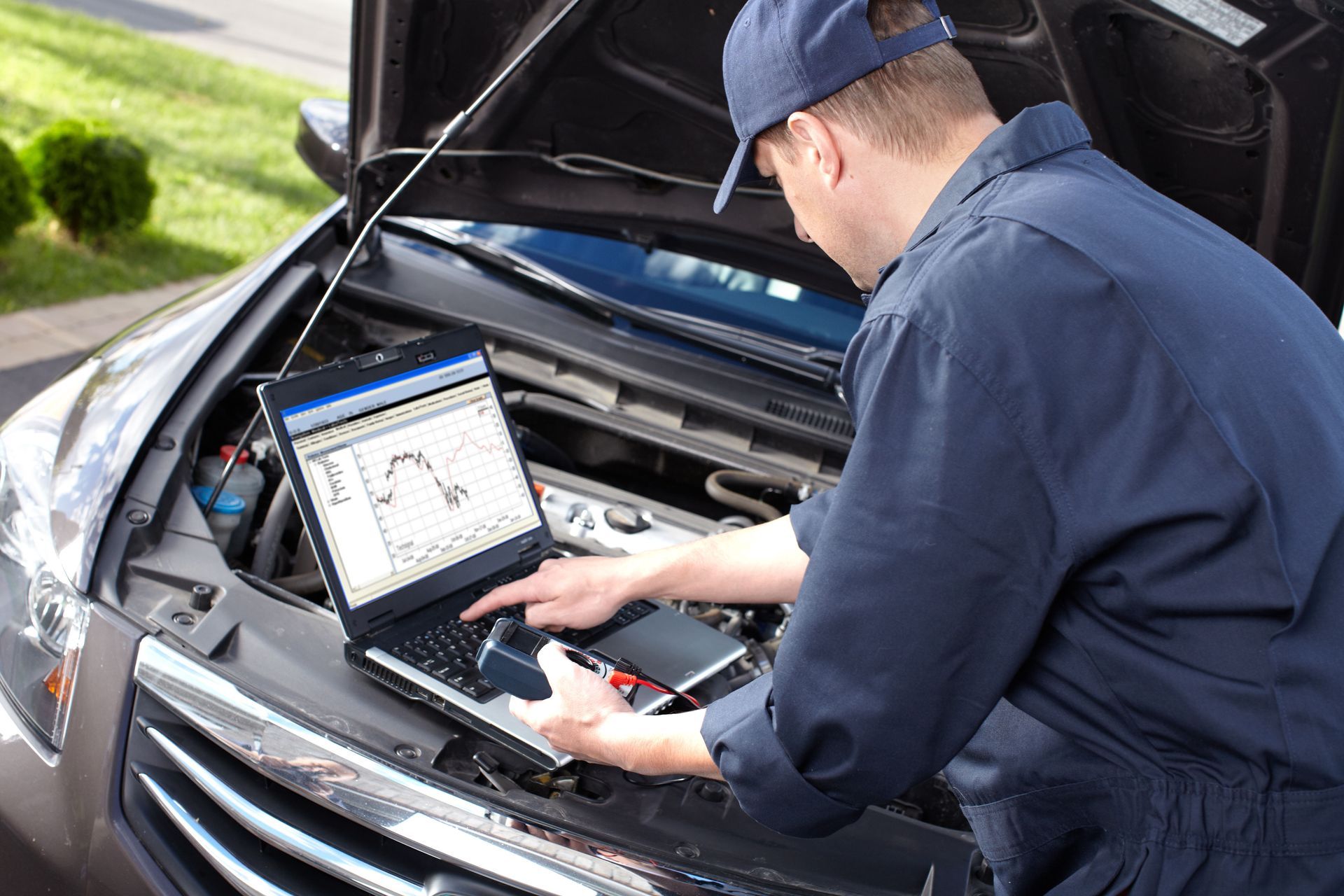
Professional transmission technicians use specialized tools and diagnostic equipment to assess fluid condition, check for leaks, and test performance. Their expertise ensures that any service is performed according to manufacturer specifications, preserving the efficiency and longevity of the transmission. By relying on trained professionals, vehicle owners can catch potential issues early and avoid costly repairs while keeping their transmission operating smoothly for years to come.
Identifying Signs You Need Your Transmission Repaired
Hesitation or Rough Shifting
Difficulty moving between gears or experiencing hesitation while shifting is a primary indicator of transmission problems. Low or degraded fluid, worn internal components, or failing solenoids can cause this behavior. Prompt attention can prevent further damage and avoid a full-scale transmission rebuild. Paying attention to subtle delays or rough engagement, even if they seem occasional, allows technicians to identify underlying issues early, reducing transmission repair costs and helping your vehicle maintain smooth, consistent performance.
Unusual Noises
Grinding, buzzing, or clunking sounds while driving often point to internal transmission wear. These noises may occur during acceleration, deceleration, or even when idling. Ignoring these auditory warnings can lead to more serious issues, including damaged gears, bearings, or the torque converter. Tracking when and under what conditions these noises appear helps technicians diagnose problems more accurately, ensuring that your transmission repair restores full functionality and prevents recurring issues.
Fluid Leaks and Burnt Smells
Automatic transmissions rely on sealed systems, so any fluid leak can quickly reduce lubrication and cooling capabilities. Red or brown fluid beneath your vehicle signals a leak, which requires immediate attention. Additionally, a burnt or acrid odor may indicate overheated fluid, which compromises internal components. Addressing leaks and fluid degradation promptly can prevent extensive damage and costly repairs.
Dashboard Warning Lights
Modern vehicles monitor transmission performance through sensors. A check engine light can illuminate if the system detects slipping gears, pressure irregularities, or extended shift times. These alerts should never be ignored, as they often indicate problems requiring professional transmission repair. Even intermittent illumination should be investigated, as it can signal issues developing beneath the surface that might not yet produce noticeable symptoms.
Vehicle Performance Changes
Unexpected behavior such as delayed acceleration, erratic gear engagement, or decreased fuel efficiency can also signal transmission issues. Monitoring these changes and consulting with trained technicians ensures that minor problems are addressed before they escalate into major failures. Paying attention to how your vehicle responds under load, while towing, or during stop-and-go traffic can provide important clues to emerging transmission concerns.
Extending Transmission Life Through Preventive Action
Schedule Routine Maintenance
Establishing a regular maintenance schedule for your automatic transmission is the foundation of long-term reliability. This includes periodic fluid replacements, inspections, and professional servicing. Timely care allows technicians to identify minor issues and address them before costly repairs are necessary. Routine maintenance also ensures that your transmission continues to operate smoothly under everyday driving conditions, helping you avoid unexpected breakdowns and extending the overall lifespan of your vehicle.
Monitor Fluid Levels and Quality
Regularly checking transmission fluid levels and condition is a simple but effective way to prevent problems. Low, dirty, or burnt fluid can accelerate wear, cause overheating, and lead to slipping or rough shifts. Using the correct manufacturer-recommended fluid is crucial for maintaining proper performance. Keeping an eye on fluid color and consistency can also alert you to early issues, allowing you to schedule service before serious damage occurs.
Address Issues Early
Any signs of unusual noises, gear hesitation, or leaks should prompt immediate professional inspection. Early intervention often allows for repairs instead of full replacement, saving significant time and expense while preserving the transmission's integrity. Even minor symptoms can signal developing internal problems, and addressing them promptly helps maintain reliable performance and prevents costly failures.
Use Professional Transmission Services
Skilled technicians bring expertise and specialized equipment to ensure that repairs, rebuilds, and fluid services meet factory standards. Choosing qualified professionals guarantees that your transmission operates efficiently and reduces the likelihood of repeat issues. They can also provide guidance on proper maintenance intervals and recommend preventative measures tailored to your driving habits.
Consider Driving Habits
Driving behavior directly affects transmission longevity. Avoid aggressive acceleration, excessive towing without proper preparation, and prolonged idling, as these practices increase stress on transmission components. Gentle, consistent driving helps maintain smooth operation and prevents premature wear. Additionally, allowing your transmission to warm up in cold weather and moderating your speed in heavy traffic can further reduce strain and improve overall durability.
Automatic transmissions are complex, precision-engineered systems that demand regular attention. Following recommended service intervals, monitoring fluid quality, and addressing warning signs early can prevent costly failures and extend the life of your vehicle. Proactive maintenance ensures smoother gear changes, better fuel efficiency, and reliable performance for years to come. By trusting skilled transmission technicians for routine care and necessary repairs, drivers safeguard one of the most essential components of their vehicle. Whether you require minor transmission repair, a fluid exchange, or a full rebuild, consistent attention to your transmission is the key to avoiding costly surprises and enjoying dependable driving. If your vehicle needs expert transmission repair or maintenance, be sure to contact North Idaho Transmission & Auto Care!


Share On: