
Why Regular Transmission Maintenance Is Crucial
Maintaining a vehicle is a responsibility that many drivers approach with a focus on engine oil changes and tire rotations. While these are vital components of automotive care, the transmission often remains an overlooked hero under the hood. The transmission is a complex system of gears and sensors that transfers power from the engine to the wheels, allowing your vehicle to move at various speeds efficiently. Without a healthy transmission, your car simply cannot function, regardless of how well the engine is running. Prioritizing visits to a professional
transmission shop ensures that this intricate system remains in peak condition, saving you from the stress of unexpected breakdowns and the high costs associated with major mechanical failures.
The role of transmission fluid cannot be overstated when discussing the longevity of your vehicle. This specialized fluid acts as both a lubricant and a coolant, reducing the friction between moving metal parts and whisking away the intense heat generated during operation. Over time, this fluid breaks down and becomes contaminated with microscopic metal shavings and debris. When the fluid loses its integrity, it can no longer protect the internal components, leading to increased wear and eventual system failure. Understanding the signs of fluid degradation and knowing when to seek professional assistance is the first step in proactive vehicle ownership.
Recognizing the Signs of Transmission Wear
One of the most common indicators that your vehicle needs professional attention is a change in shifting patterns. If you notice a delay when moving the gear selector from park to drive, or if the vehicle seems to hesitate before accelerating, these are red flags. Drivers might also experience "hunting" for gears, where the transmission shifts up and down erratically while maintaining a steady speed. These symptoms often point to low fluid levels or internal pressure issues that require the diagnostic tools found at a specialized transmission shop. Ignoring these minor hiccups can lead to a total loss of gear engagement, leaving you stranded on the side of the road.
Unusual noises are another primary warning sign that should never be dismissed. A healthy transmission should operate quietly; therefore, any whining, humming, or clunking sounds during gear changes are cause for concern. In manual transmissions, a grinding noise when engaging a gear often suggests worn synchronizers or a clutch issue. For automatic systems, a high-pitched buzz or a clunking sound when shifting into gear can indicate internal component wear. Addressing these auditory warnings early can often result in simple repairs rather than a complete overhaul of the entire system.
Understanding the Importance of Fluid Exchanges
The most effective way to prevent catastrophic damage is through regular fluid maintenance. Many modern vehicles are marketed with "lifetime" transmission fluid, but most mechanics agree that periodic changes are necessary for long-term durability. According to AutoZone, you should change your transmission fluid typically every 30,000 to 60,000 miles, but check your vehicle’s manual for specific intervals. This proactive step ensures that the hydraulic pressure within the system remains consistent and that the internal seals stay lubricated and pliable, preventing leaks that can lead to overheating.
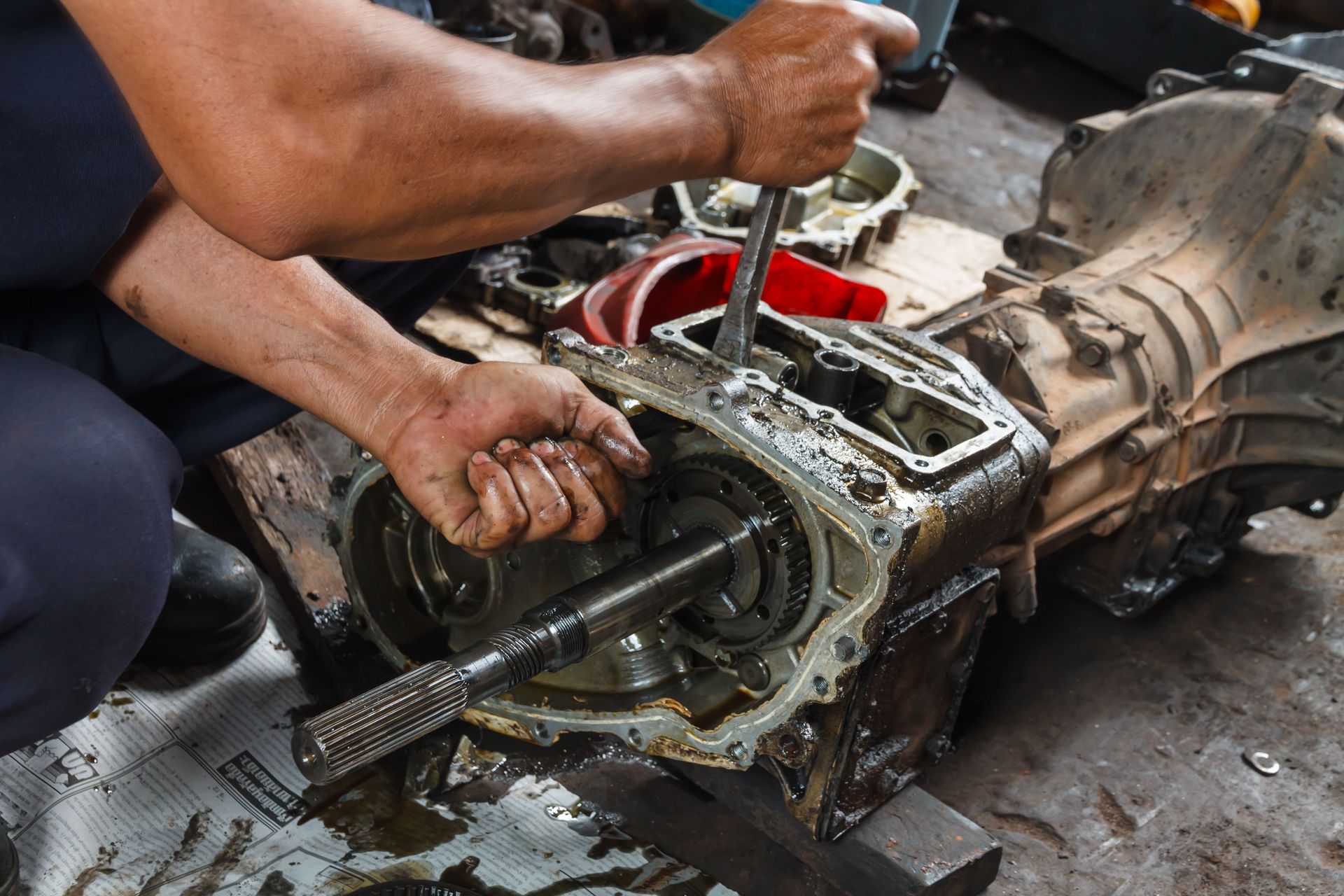
When you take your vehicle to a transmission shop for a fluid exchange, technicians do more than just swap out the old liquid. They often perform a visual inspection of the pan and the filter. Finding a small amount of fine metal dust is normal, but larger metal flakes or "chunks" can indicate that internal components are beginning to disintegrate. By catching these particles early, technicians can identify which parts are failing before they cause a chain reaction of damage throughout the gear train. This level of detailed inspection is what separates routine maintenance from emergency repairs.
Evaluating the Benefits of Professional Diagnostics
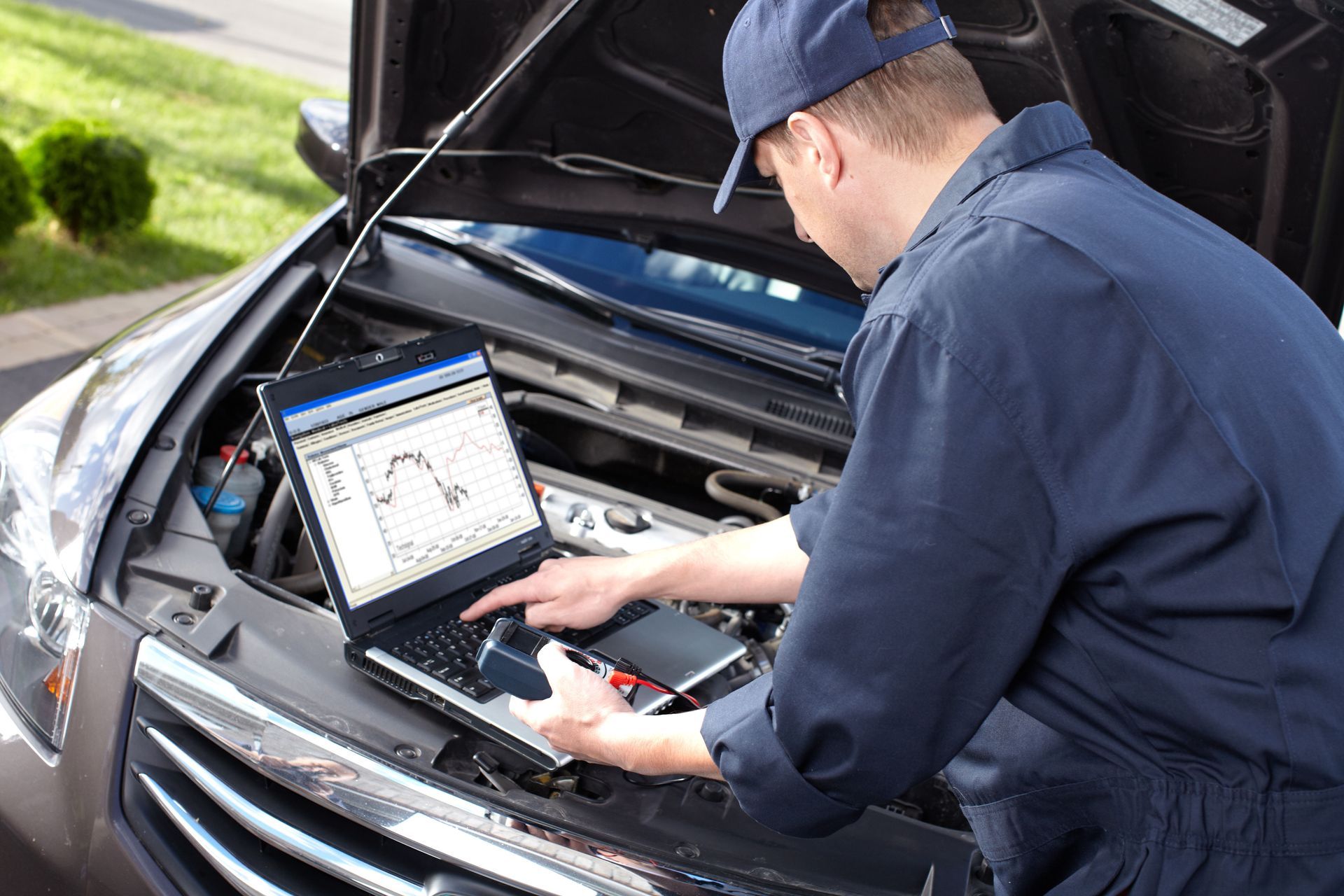
Modern transmissions are highly electronic, relying on a network of sensors and computers to dictate shift points and torque converter engagement. When a "Check Engine" light or a "Transmission" light illuminates on your dashboard, it means the onboard computer has detected a discrepancy in these electronic signals. A professional transmission shop utilizes advanced scanning equipment to communicate with your vehicle’s computer, pulling specific error codes that pinpoint the exact nature of the problem. This technology eliminates guesswork, ensuring that the repair process is both accurate and cost-effective.
Beyond electronic scans, a physical diagnostic often includes a road test and a lift inspection. During a road test, a technician can feel the subtle vibrations or slips that a computer might not yet categorize as a hard failure. Checking the vehicle on a lift allows the team to inspect the external housing, mounts, and linkages for signs of physical damage or fluid seepage. This multi-point approach to diagnostics ensures that every aspect of the drivetrain is accounted for, providing the driver with peace of mind that their vehicle is safe for the road.
Maximizing the Lifespan of Your Drivetrain
The financial benefits of regular maintenance are significant when compared to the price of a full transmission replacement. A new or remanufactured transmission can cost thousands of dollars, a figure that often exceeds the value of older vehicles. By investing in periodic inspections and fluid services at a reputable transmission shop, you are essentially purchasing insurance for your vehicle's future. Small investments in maintenance today prevent the massive financial burden of a failed transmission tomorrow, allowing you to get the most mileage possible out of your investment.
Furthermore, a well-maintained transmission contributes to better fuel efficiency. When the transmission is slipping or struggling to find the correct gear, the engine has to work harder and burn more fuel to maintain speed. Smooth, crisp shifts ensure that the engine remains in its optimal power band, reducing unnecessary strain and keeping your gas mileage as high as possible. In an era of fluctuating fuel prices, keeping your drivetrain in top shape is a practical way to manage your monthly transportation budget while reducing your environmental footprint.
Prioritizing Quality Parts and Expert Labor
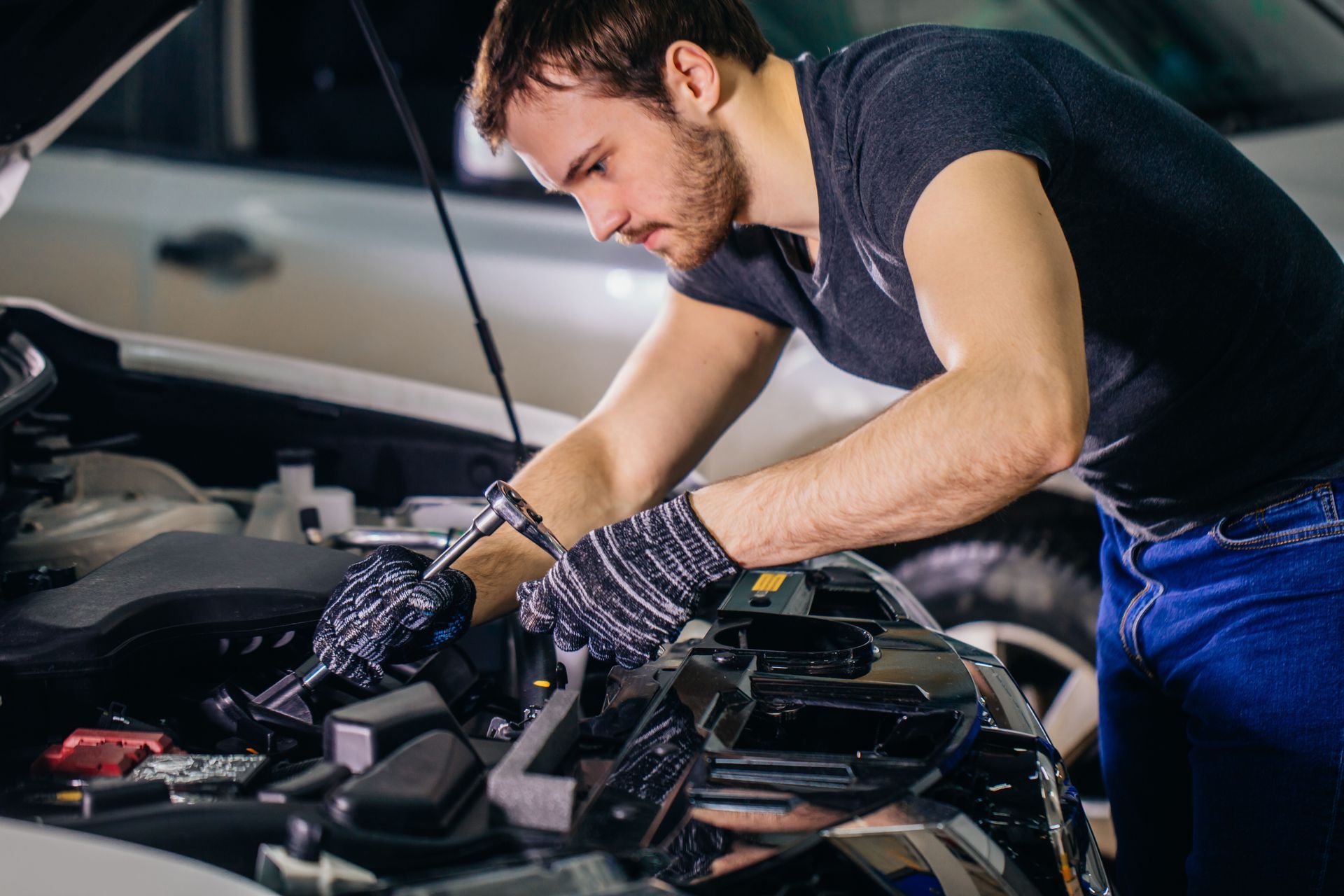
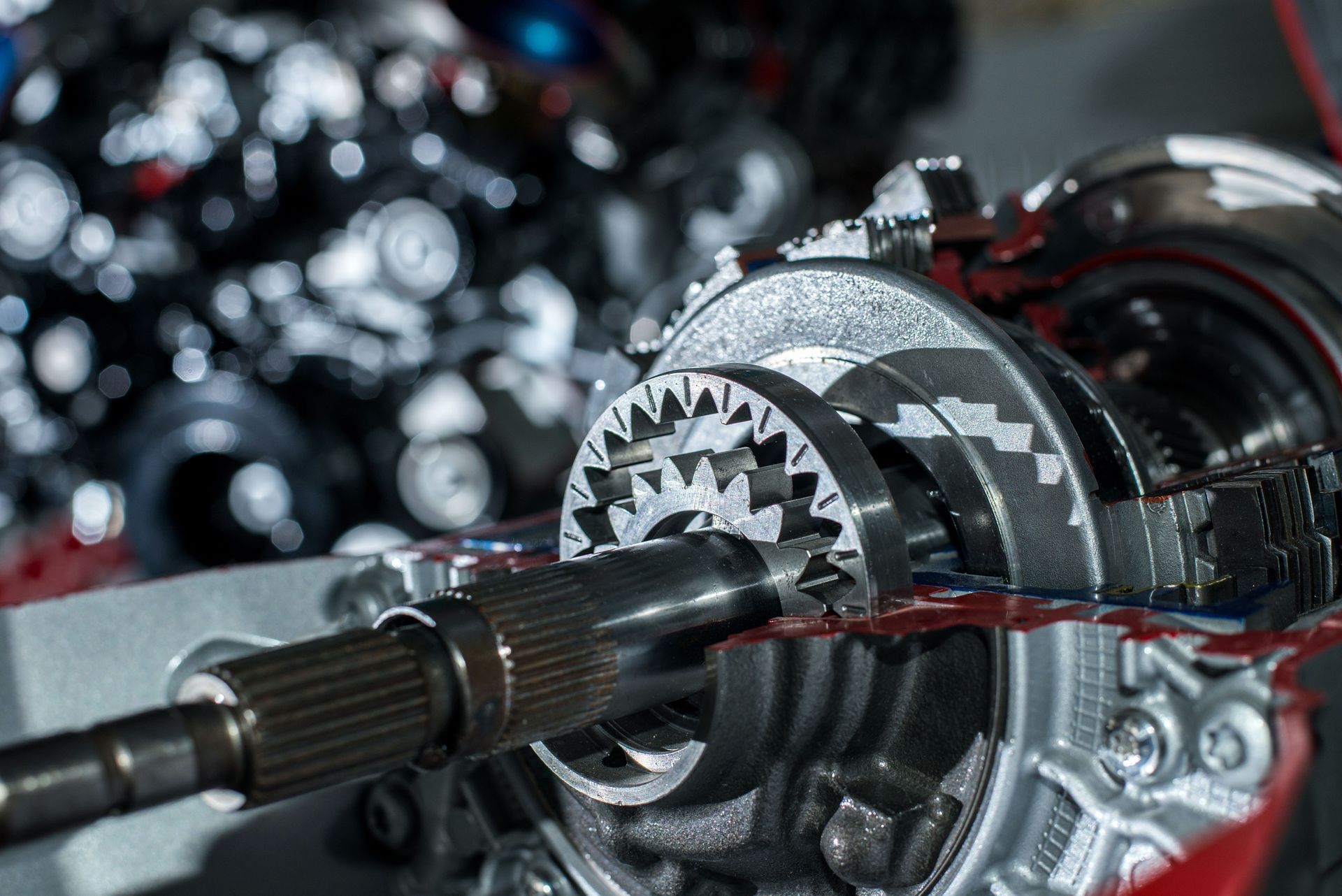
When it comes to transmission shop care, the quality of parts and the skill of the technician are paramount. This is a highly specialized field of automotive repair that requires a deep understanding of planetary gear sets, hydraulic valves, and electronic solenoids. Choosing a dedicated transmission shop means you are working with specialists who see these complex systems every day. They have access to the specific fluids required by different manufacturers, whether your vehicle uses a traditional automatic, a continuously variable transmission (CVT), or a dual-clutch system.
Using the wrong type of fluid or an inferior filter can actually cause more harm than good, leading to internal slippage or clogged passages. Professionals understand the nuances of various makes and models, ensuring that every bolt is torqued to specification and every seal is seated correctly. This attention to detail is what prevents return visits for the same issue. By trusting experts who specialize in this field, you ensure that your vehicle receives the highest standard of care, which translates directly to reliability and safety for you and your passengers.
Proactive maintenance is the key to avoiding the headaches of automotive failure. By staying vigilant for signs of wear and following a strict schedule for fluid changes, you can enjoy a smooth driving experience for many years. Don't wait until your vehicle is stuck in gear or failing to move altogether before seeking professional help. A little bit of attention now goes a long way in preserving the health of your car. For expert assistance and comprehensive care, contact North Idaho Transmission & Auto Care today. Call North Idaho Transmission & Auto Care today to learn more about how we can help keep your vehicle running perfectly.


Share On: