
How a Transmission Repair Shop Assesses Your Vehicle's Needs
A properly functioning transmission is essential to the performance, safety, and longevity of any vehicle. When issues arise, identifying the root cause quickly can prevent further damage and unnecessary expenses. A professional transmission repair shop follows a structured and thorough evaluation process to determine exactly what your vehicle needs. From initial observations to in-depth diagnostics, each step is designed to provide clarity and guide the most effective solution.
Conducting Initial Inspection and Customer Consultation
Understanding Driver Concerns and Vehicle History
The assessment process begins with a conversation. Transmission repair technicians ask detailed questions about how the vehicle has been behaving. Drivers may report symptoms such as delayed shifting, slipping gears, unusual noises, or fluid leaks. These firsthand observations are valuable because they help narrow down potential problem areas before any tools are used.
Vehicle history also plays a critical role. Information about mileage, maintenance habits, and previous repairs gives technicians insight into wear patterns and potential vulnerabilities. A well-documented service record can reveal whether the transmission fluid has been changed regularly or if past issues may be contributing to current problems.
In some cases, age becomes a deciding factor in how aggressively a repair strategy should be pursued. According to Endurance, replacing a transmission tends to be more costly in vehicles that are 20 years old or older, which can influence whether repair or replacement is the most practical route.
Conducting a Visual and Physical Inspection
Once the initial consultation is complete, technicians perform a visual inspection under the hood and beneath the vehicle. They look for obvious signs of trouble, such as leaking transmission fluid, damaged seals, or loose connections. The color and smell of the transmission fluid are also evaluated, as dark or burnt fluid often indicates internal wear or overheating.
Physical inspection may also include checking mounts, linkages, and external components connected to the transmission system. Even minor issues, such as a worn mount, can affect performance and mimic more serious internal problems. This step ensures that no visible factor is overlooked before proceeding to deeper diagnostics.
A transmission repair shop relies on this stage to establish a baseline understanding of the vehicle's condition. It helps confirm or challenge the initial assumptions formed during the consultation and ensures that the next steps are targeted and efficient.
Performing a Preliminary Road Test
Before moving into advanced diagnostics, technicians often conduct a road test. This allows them to experience the problem firsthand under real driving conditions. They pay close attention to how the vehicle shifts, accelerates, and responds to changes in speed or load.
During the test, specific symptoms such as hesitation, jerking, or unusual noises are carefully noted. The timing and frequency of these issues provide important clues about what might be happening inside the transmission. For example, problems that occur only when the vehicle is warm may point to fluid breakdown, while issues present at all times could indicate mechanical wear.
This hands-on evaluation bridges the gap between customer feedback and technical analysis, giving the transmission repair technician a clearer picture of the issue before moving forward.
Employing Advanced Diagnostic Procedures
Using Diagnostic Tools to Identify Fault Codes
After the initial inspection and road test, technicians connect diagnostic equipment to the vehicle. This allows them to retrieve error codes stored in the system, which can indicate specific transmission faults. These codes often point to issues such as pressure irregularities, slipping components, or sensor malfunctions.
Interpreting these codes requires expertise. A single code does not always tell the full story, so technicians must analyze how different readings interact with one another. This step helps refine the diagnosis and ensures that the repair plan addresses the actual cause rather than just the symptoms.
A transmission repair shop uses these tools to eliminate guesswork and provide a more precise assessment. By combining electronic data with physical observations, technicians can build a comprehensive understanding of the problem.
Evaluating Transmission Fluid and Internal Components
Fluid analysis is a critical part of diagnosing transmission issues. Technicians examine the fluid for contamination, discoloration, and the presence of metal particles. These indicators can reveal internal wear, overheating, or component failure.
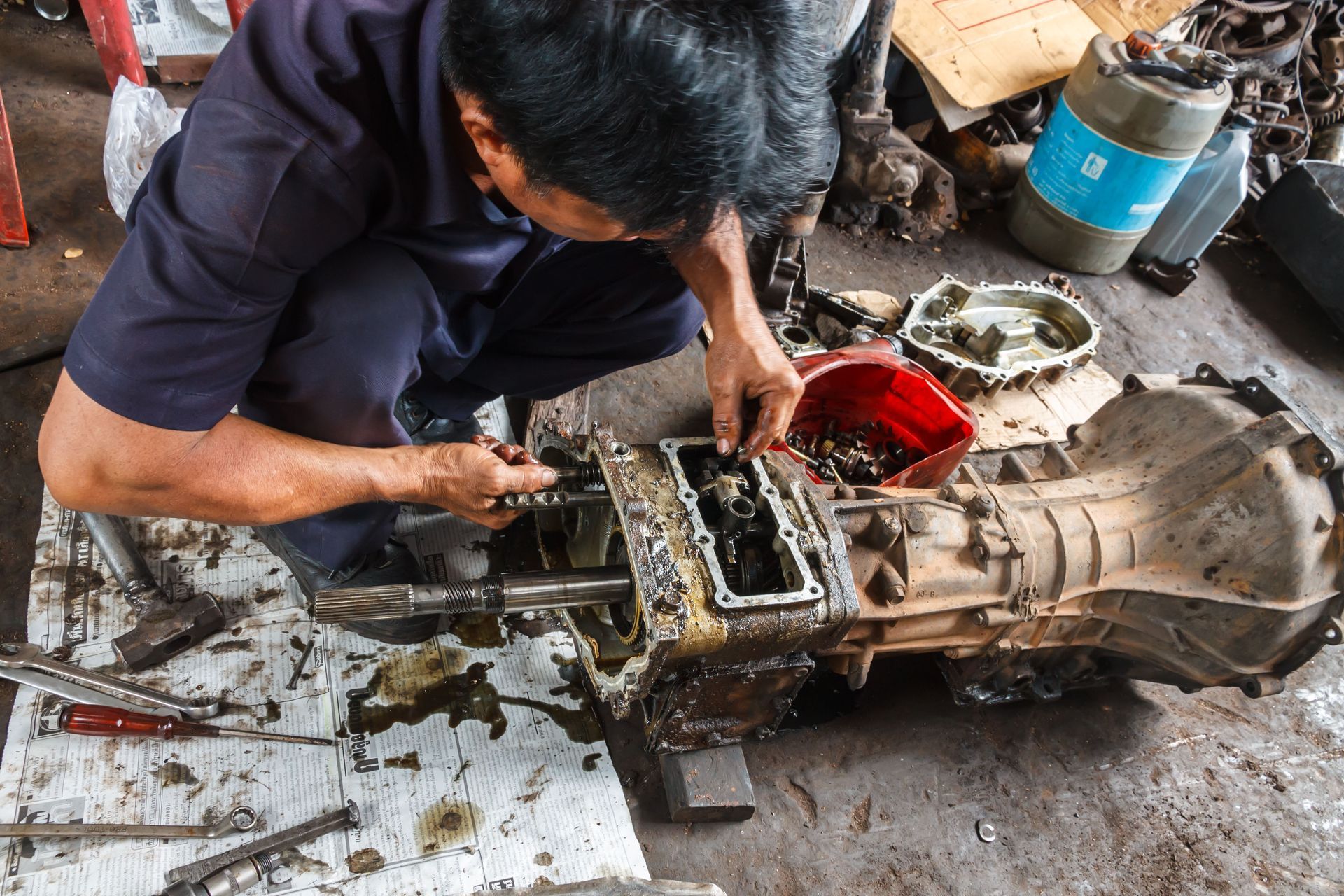
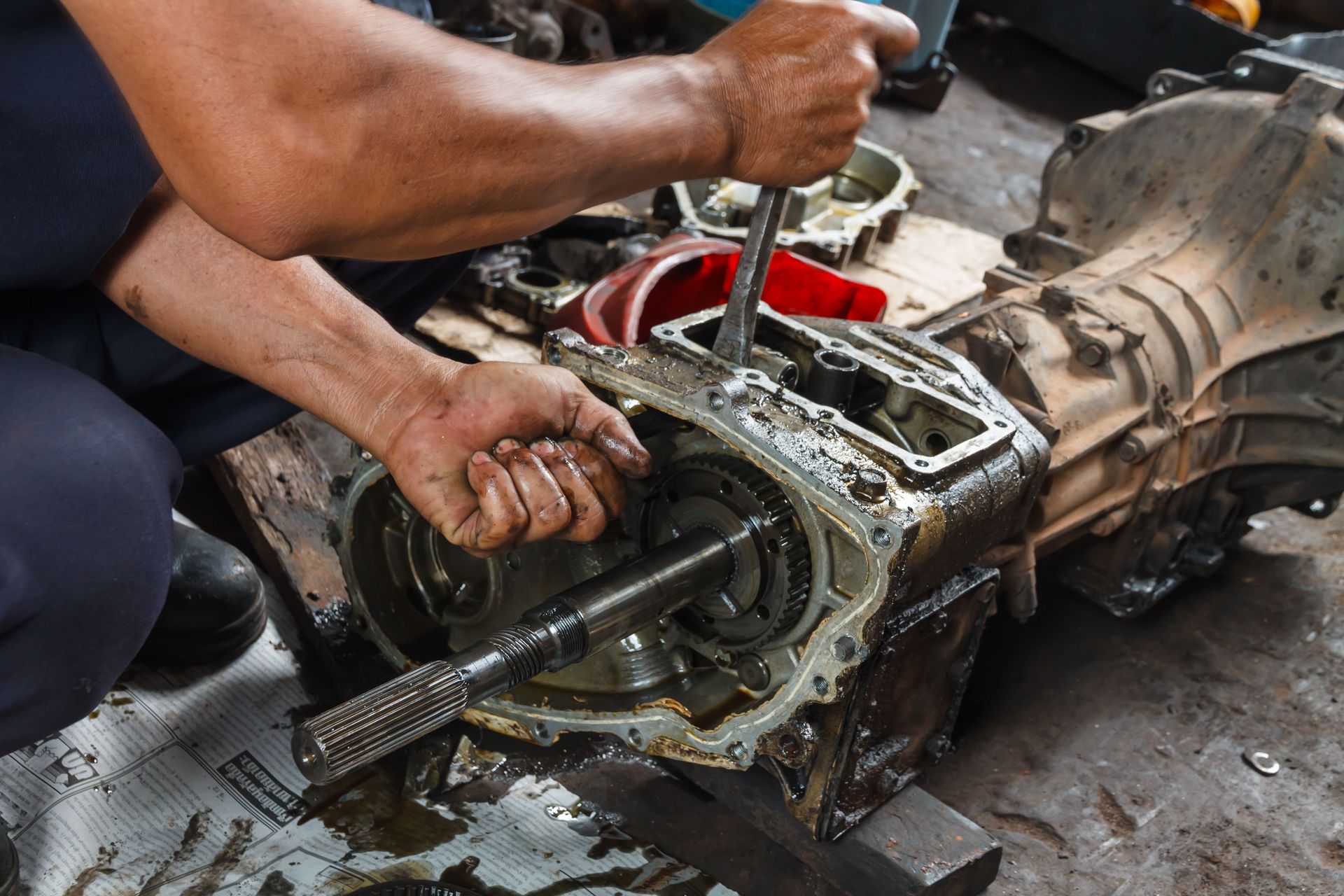
If necessary, the transmission pan may be removed to inspect internal parts more closely. This allows technicians to check for debris, worn clutch material, or damaged components that are not visible from the outside. While this step requires more time, it provides valuable insight into the overall health of the transmission.
At this stage, a transmission repair technician determines whether the issue is minor and localized or part of a larger internal problem. This distinction is essential for recommending the most appropriate course of action.
Testing Hydraulic Pressure and System Performance
Hydraulic pressure plays a key role in how a transmission operates. Technicians use specialized tools to measure pressure levels and ensure they fall within the manufacturer's specifications. Abnormal readings can indicate issues with pumps, valves, or internal seals.
Performance testing may also involve evaluating how the transmission responds under different conditions. This includes checking shift timing, responsiveness, and consistency. Any irregularities are documented and analyzed to identify the underlying cause.
These tests provide a deeper level of insight than visual inspection alone. A transmission repair shop relies on this data to confirm the diagnosis and ensure that no hidden issues are overlooked.
Determining the Best Repair Strategy
Recommending Repairs Based on Severity
Once all diagnostic steps are complete, technicians compile their findings to determine the most effective solution. Minor issues, such as a leaking seal or degraded fluid, may only require targeted repairs. Addressing these problems early can prevent more extensive damage and extend the life of the transmission.
For more complex issues, such as worn internal components, a more involved repair may be necessary. This could include replacing specific parts or addressing multiple areas of wear. The goal is always to restore performance while minimizing unnecessary costs.
A transmission repair shop carefully evaluates the severity of the problem to ensure that the recommended solution aligns with the vehicle's condition and the customer's needs.
Considering Rebuilding Versus Replacement Options
In cases where the transmission has sustained significant wear, technicians may recommend rebuilding or replacing the transmission. Rebuilding the transmission involves disassembling it, replacing worn components, and reassembling it to restore functionality. This approach can be more cost-effective while still delivering reliable performance.
Replacement, on the other hand, involves installing a new or factory-rebuilt unit. This option may be necessary when the existing transmission is too damaged to be repaired effectively. However, it is typically more expensive and may not always be the most practical choice, especially for older vehicles.
A transmission repair shop weighs these options carefully, considering factors such as cost, vehicle age, and overall condition. The goal is to provide a solution that offers long-term value without unnecessary expense.
Providing Transparent Estimates and Next Steps
Clear communication is essential at this stage. Technicians provide a detailed explanation of their findings, along with an estimate for the recommended repairs. This includes a breakdown of costs, expected timelines, and any potential risks.
Customers are given the information they need to make an informed decision about how to proceed. Whether the solution involves a simple repair, rebuilding, or a full replacement, transparency ensures that there are no surprises along the way.
A transmission repair shop prioritizes this level of clarity because it builds trust and helps customers feel confident in the chosen course of action.
Assessing a vehicle's transmission needs is a detailed and methodical process that combines observation, testing, and technical expertise. From the initial consultation to advanced diagnostics and final recommendations, each step is designed to uncover the root cause of the problem and determine the most effective solution. By following this structured approach, a transmission repair shop ensures that every vehicle receives the attention it needs to perform reliably and efficiently. For more information on your vehicle's transmission needs, reach out to North Idaho Transmission & Auto Care!



Share On: