
Is It Time to Rebuild or Replace Your Transmission?
The transmission is one of the most intricate and critical mechanical components in any motor vehicle. Responsible for transferring power from the engine to the drive wheels, it manages gear ratios to ensure your vehicle accelerates smoothly, climbs steep hills, and cruises efficiently at highway speeds. Because of the immense friction, hydraulic pressure, and thermal stress it endures daily, internal components eventually suffer wear and mechanical fatigue over years of operation. When major transmission trouble strikes, driver anxiety often spikes due to concerns over high repair bills and extended downtime.
Understanding the longevity of your drivetrain helps put these mechanical issues into perspective. According to HowStuffWorks, a well-maintained transmission can reach a lifespan of up to 200,000 miles. However, when performance declines significantly, vehicle owners face a critical decision between major options. When serious problems arise, deciding whether to opt for complete replacement or specialized auto transmission rebuilding requires evaluating the extent of internal damage, your vehicle's overall condition, and your long-term budget. Ignoring minor warning signs can quickly turn an isolated mechanical fault into total drivetrain failure.
Seeing the Early Warning Signs of Transmission Failure
Recognizing the symptoms of a failing transmission early can mean the difference between a simple repair and a costly complete overhaul. One of the most common early indicators is delayed or harsh engagement when shifting gears. If your vehicle hesitates when moving from park into drive, or if you feel a violent clunk when shifting gears, the internal hydraulic pressure or clutch packs are likely compromised. Slipping gears—where the engine revs loudly but the vehicle fails to accelerate properly—is another clear sign that internal components are wearing out.
In addition to shifting anomalies, unusual sounds and fluid leaks demand immediate attention. Healthy transmission fluid is typically translucent and bright red, acting as both a lubricant and a hydraulic fluid. If you notice dark, burnt-smelling fluid underneath your vehicle, or if you hear humming, whining, or clunking sounds coming from the gearbox, internal components are experiencing severe friction. When these symptoms escalate beyond simple fluid flushes or minor solenoid swaps, pursuing professional auto transmission rebuilding becomes a primary consideration for restoring reliable performance.
Knowing What Transmission Rebuilding Entails
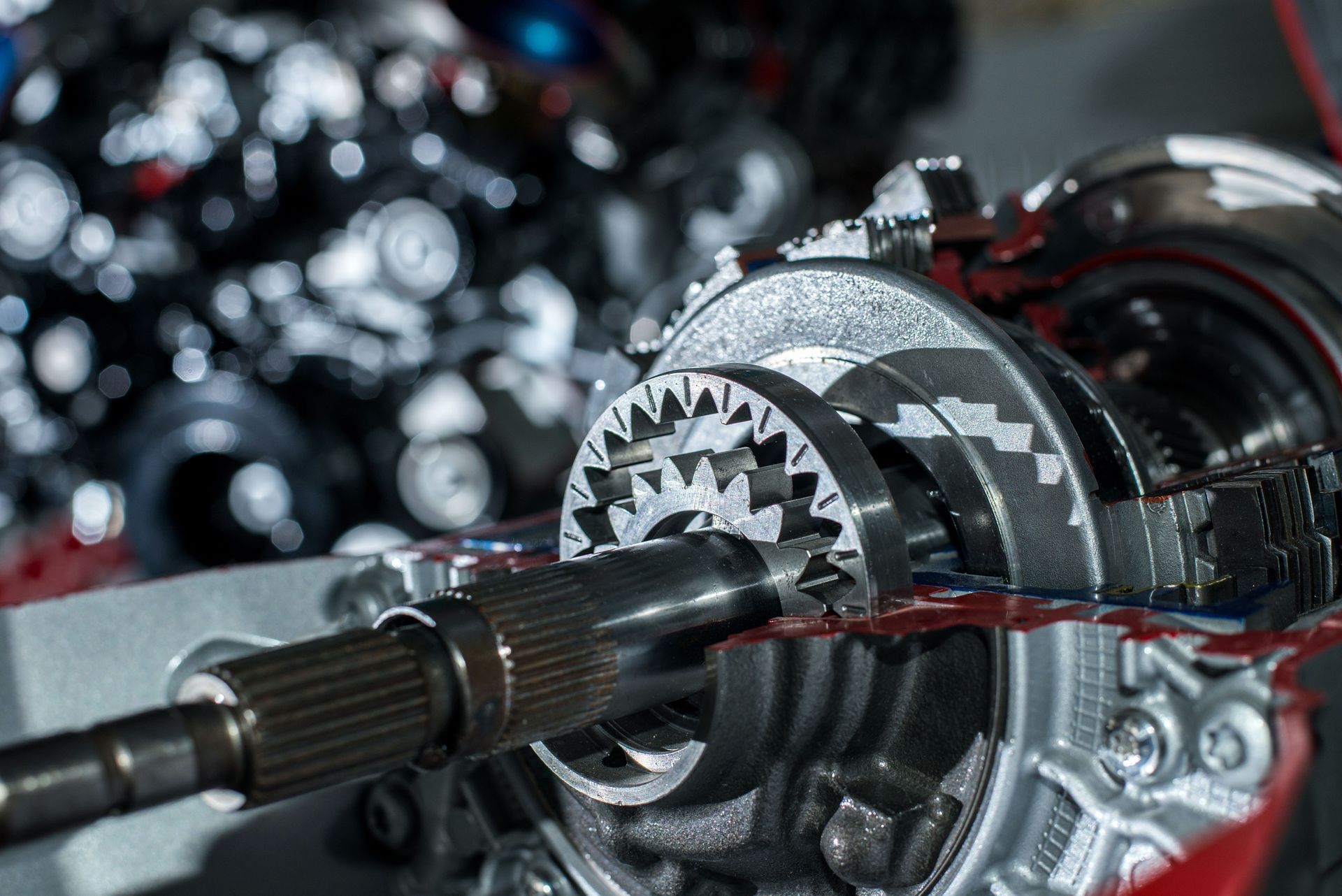
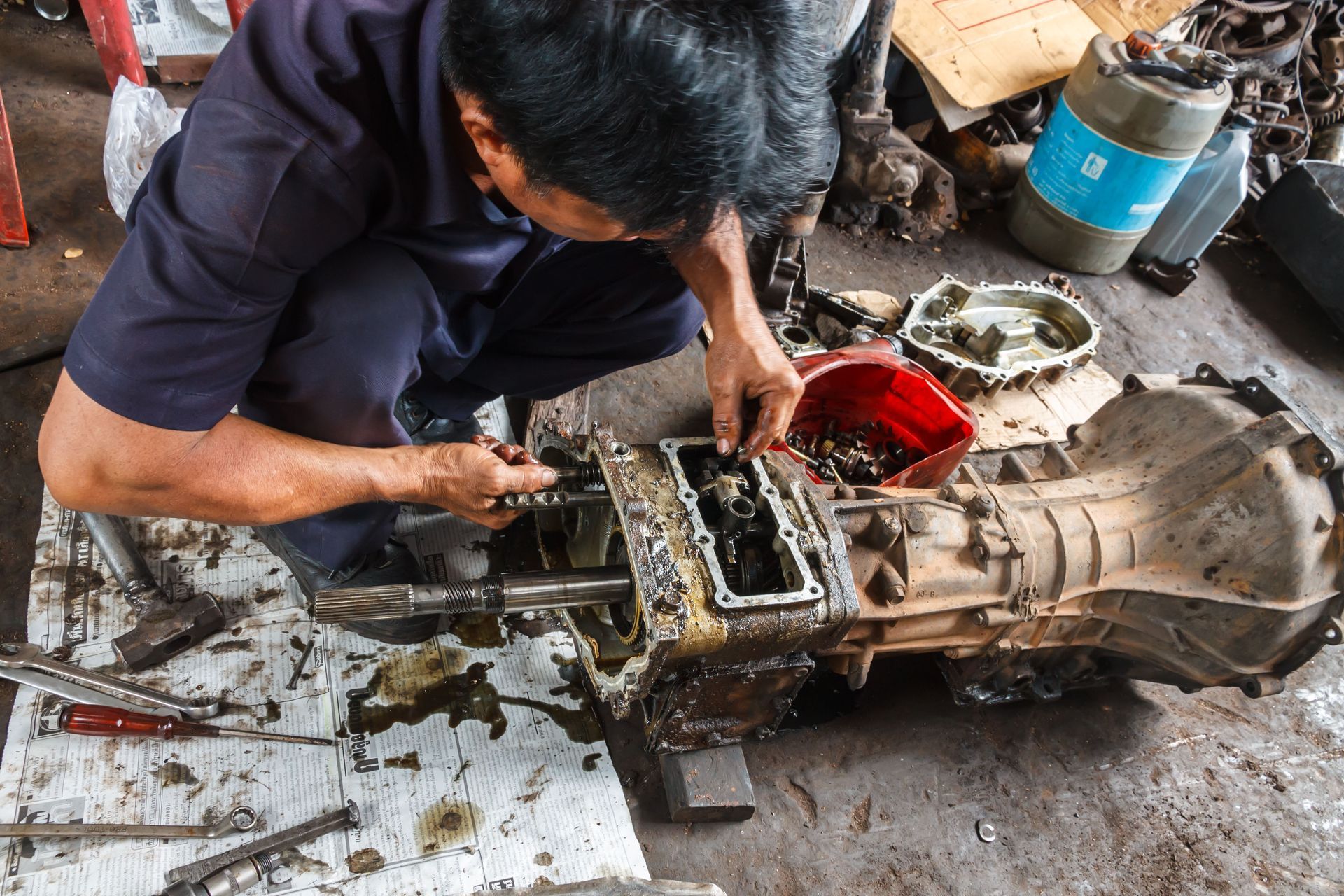
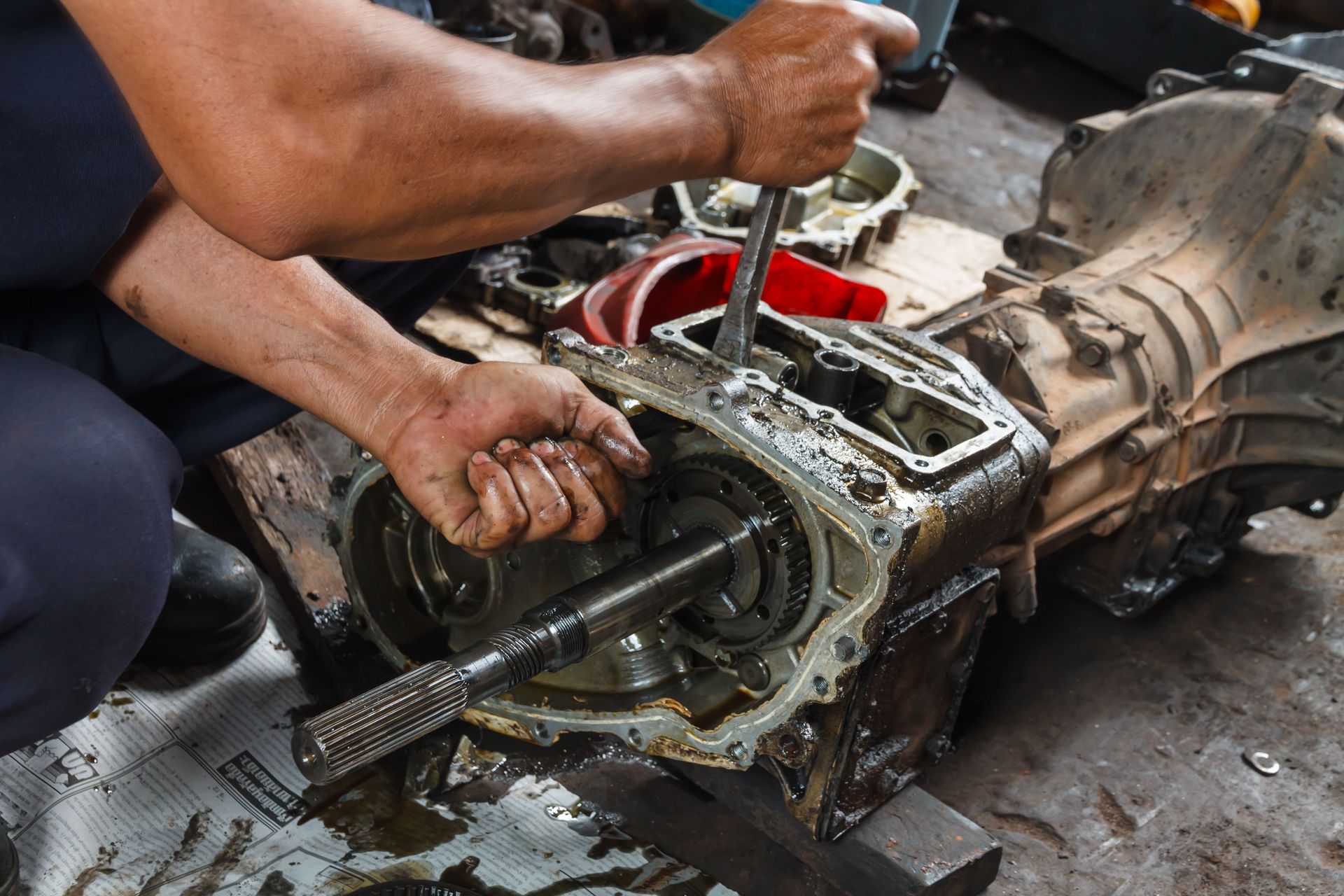
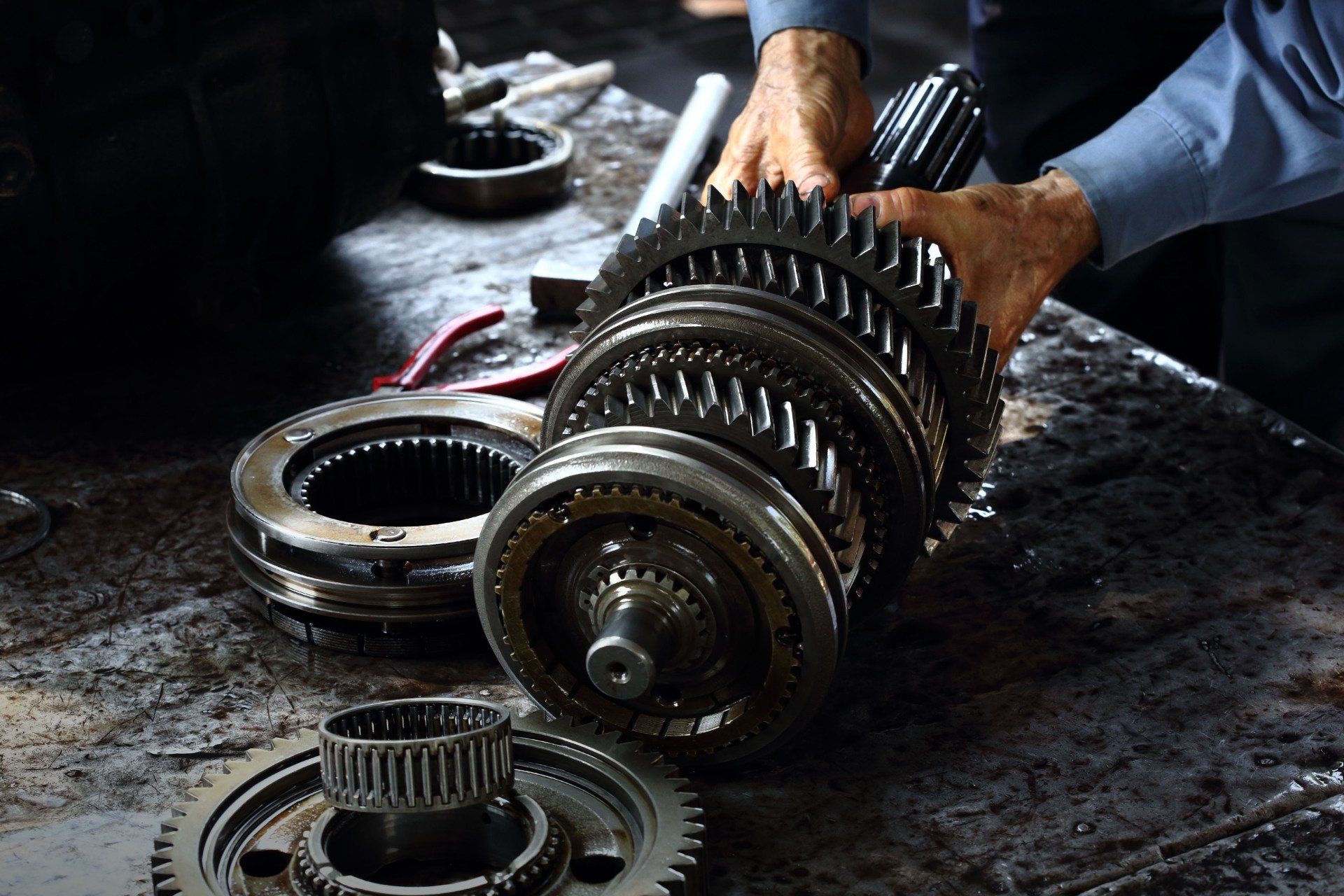
To make an informed choice, it is essential to understand what happens during a comprehensive overhaul. The process of auto transmission rebuilding involves removing the unit from the vehicle, fully disassembling every sub-assembly, and thoroughly cleaning each component in specialized solvent tanks. A qualified technician inspects every gear, shaft, planetary gear set, and housing for microscopic wear, metal shavings, or heat distortion. Damaged hard parts are replaced, while high-wear soft components—such as rubber seals, gaskets, friction clutches, bands, and O-rings—are automatically discarded and replaced with brand-new parts.
Choosing auto transmission rebuilding allows technicians to address the precise root cause of the failure while keeping functional, original factory components intact. Furthermore, during the reassembly process, technicians can install updated aftermarket parts or manufacturer-recommended technical service updates that correct original design flaws. This targeted approach ensures that your rebuilt unit meets or exceeds original factory standards without requiring you to pay for an entirely new assembly.
Rebuilding Versus Complete Replacement
When comparing overhaul options against buying a replacement unit, cost and component quality play significant roles. A complete transmission replacement typically involves installing either a brand-new unit from the original equipment manufacturer or a factory-remanufactured unit built in an off-site facility. While a factory replacement offers convenience and fast turnaround times, it often comes with a significantly higher price tag due to shipping logistics, assembly markups, and core charges. In contrast, local auto transmission rebuilding offers a cost-effective alternative that restores your existing transmission to peak operating condition.
Another option homeowners and drivers sometimes consider is installing a used transmission sourced from a salvage yard. While a used unit is usually the cheapest initial option, it carries substantial risk because its internal condition, mileage history, and past maintenance records remain largely unknown. Investing in professional auto transmission rebuilding eliminates that guesswork, providing peace of mind with fresh internal wear components and a clear warranty. For drivers who plan to keep their vehicle for several more years, opting for auto transmission rebuilding strikes an ideal balance between financial savings and verified long-term mechanical reliability.
Navigating Factors Influencing Your Decision
Deciding between overhaul and replacement depends heavily on your vehicle's overall mechanical health and financial value. If your vehicle has a solid frame, a healthy engine, and an intact interior, investing in auto transmission rebuilding makes strong financial sense compared to taking on a new monthly car payment. On the other hand, if the vehicle has excessive body rust, high overall mileage, or compounding engine issues, spending thousands of dollars on drivetrain repairs may not yield a good return on investment.
The specific nature of the internal damage also impacts your choice. If a catastrophic failure causes heavy metal debris to contaminate the entire casing and destroy hard-to-find planetary gear sets, sourcing a remanufactured unit might prove more practical. However, if the failure is isolated to worn clutch plates, blown seals, or torque converter fatigue, opting for specialized auto transmission rebuilding is usually the most efficient and practical path forward. Consulting a trusted automotive technician who can perform a diagnostic scan and drop the pan to inspect for metal debris is the best way to determine the correct strategy.
Utilizing Modern Electronics and Modern Drivetrain Complexity
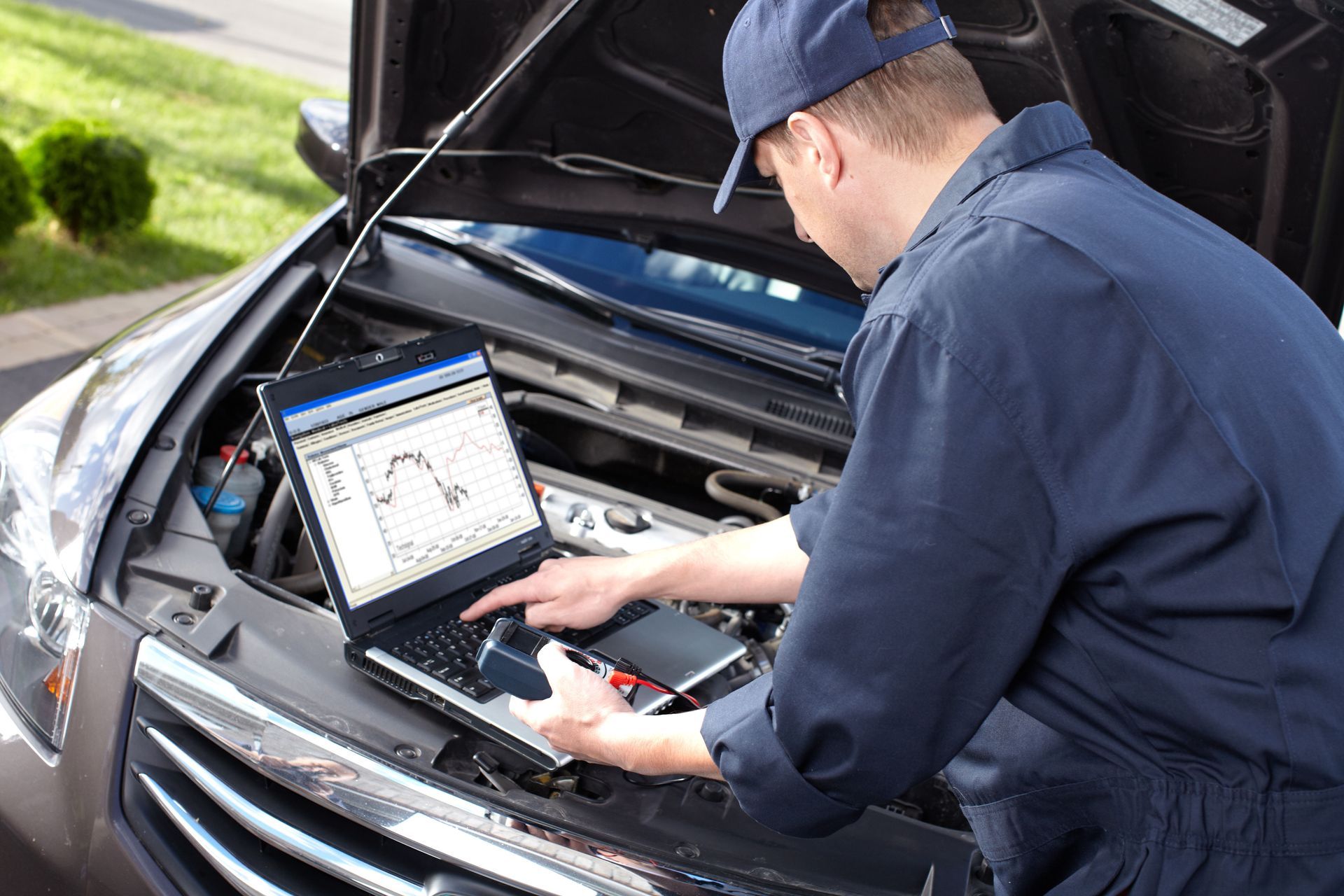
Modern vehicles rely on sophisticated Transmission Control Modules (TCMs) and intricate electronic solenoids to manage shift points, hydraulic line pressure, and torque converter lockup. When mechanical symptoms appear, advanced diagnostic equipment must be used to distinguish between electronic control faults and internal mechanical breakdown. Wiring harness corrosion, blown sensors, or outdated TCM software can sometimes mimic severe gear slipping or harsh engagement, tricking drivers into believing their transmission has suffered total mechanical failure.
Partnering with an experienced repair shop ensures that diagnostic trouble codes are accurately interpreted alongside hydraulic pressure tests before any teardown begins. If an electronic failure is caught early, replacing a solenoid block or updating control software can resolve performance issues without requiring a full mechanical overhaul. However, if electronic diagnostics confirm that internal clutches or hard parts are physically damaged, combining electrical repairs with comprehensive auto transmission rebuilding ensures all mechanical and computer-driven systems work in perfect harmony.
Protecting Your Investment with Ongoing Care
Regardless of whether you choose to rebuild or replace your assembly, establishing a strict maintenance routine after repairs is vital for maximizing lifespan. Heat is the single greatest enemy of automatic transmissions, causing fluid breakdown, seal hardening, and clutch plate slippage. Installing an auxiliary transmission fluid cooler can dramatically lower operating temperatures, especially if you regularly tow trailers, carry heavy cargo, or drive in hilly terrain.
Regular fluid and filter changes performed according to manufacturer guidelines keep internal hydraulic passages clear of sludge and debris. Monitoring fluid levels periodically and addressing minor leaks immediately prevents low-fluid conditions that lead to severe overheating. By combining quality workmanship during auto transmission rebuilding with diligent preventative care, you can ensure your vehicle's drivetrain delivers smooth, reliable performance for many years to come. Contact North Idaho Transmission & Auto Care today to schedule an expert diagnostic inspection and discover the best repair solution to keep your vehicle running smoothly.


Share On: