
How to Determine if You Need Transmission Repairs or a Replacement
When it comes to maintaining your vehicle, few components are as critical — and as costly — as the transmission. Your car's transmission transfers power from the engine to the wheels, ensuring smooth acceleration and proper handling. Knowing whether you need transmission repairs or a full replacement can save you both time and money. In this article, we'll explore key indicators of transmission issues, common causes, and strategies to decide the best course of action for your vehicle.
Being proactive about transmission care not only extends the life of your car but also prevents sudden breakdowns and costly repairs. By understanding early warning signs, performing preventive maintenance, and consulting professionals, you can maintain optimal performance and avoid long-term damage.
Understanding the Role of Your Transmission
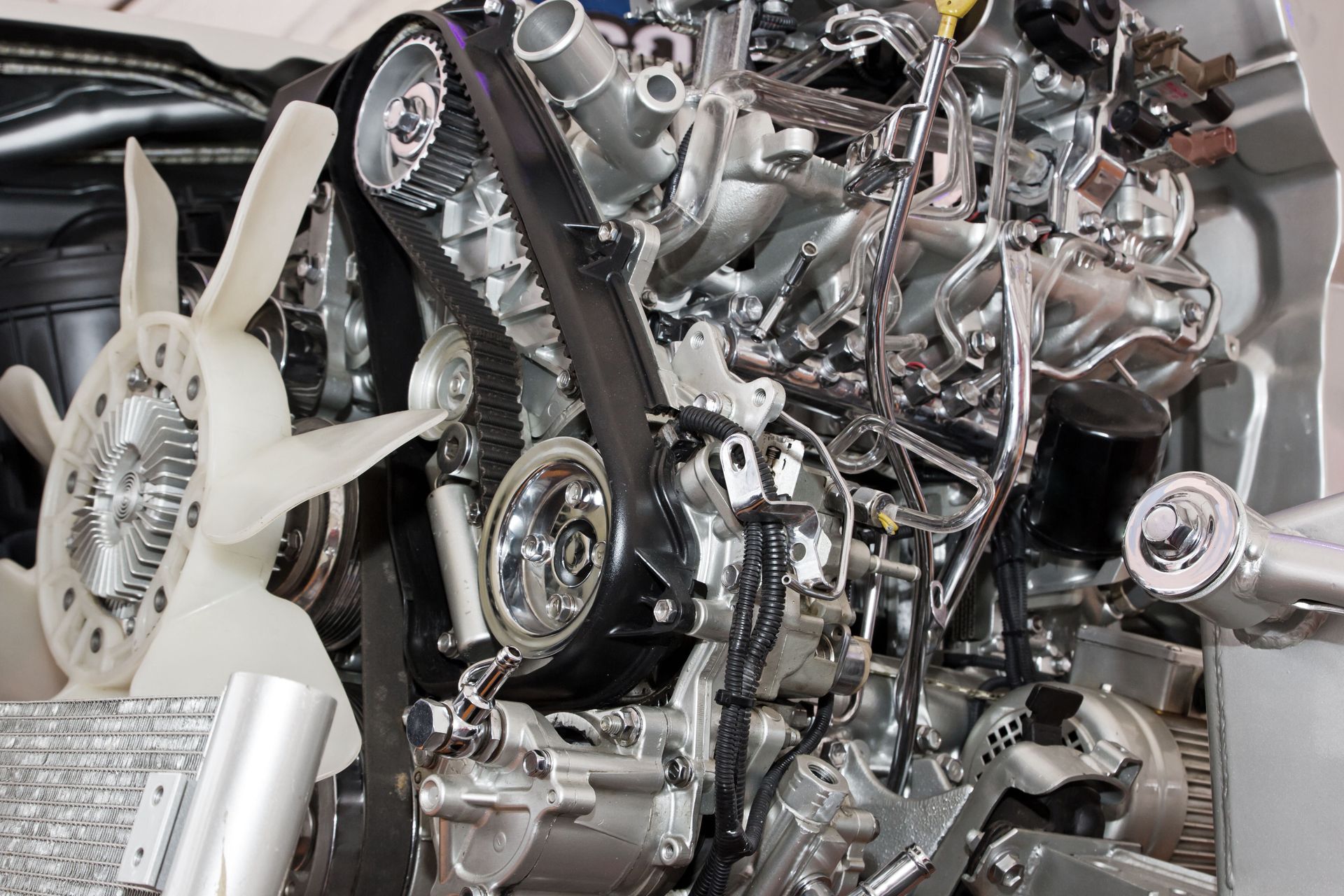
Your vehicle's transmission is more than just a gearbox; it's the central system that coordinates power delivery and controls your car's speed. Whether you drive an automatic or manual transmission, this complex system relies on precise engineering and regular maintenance to function efficiently. Neglecting care can lead to reduced performance, higher fuel consumption, and expensive repairs.
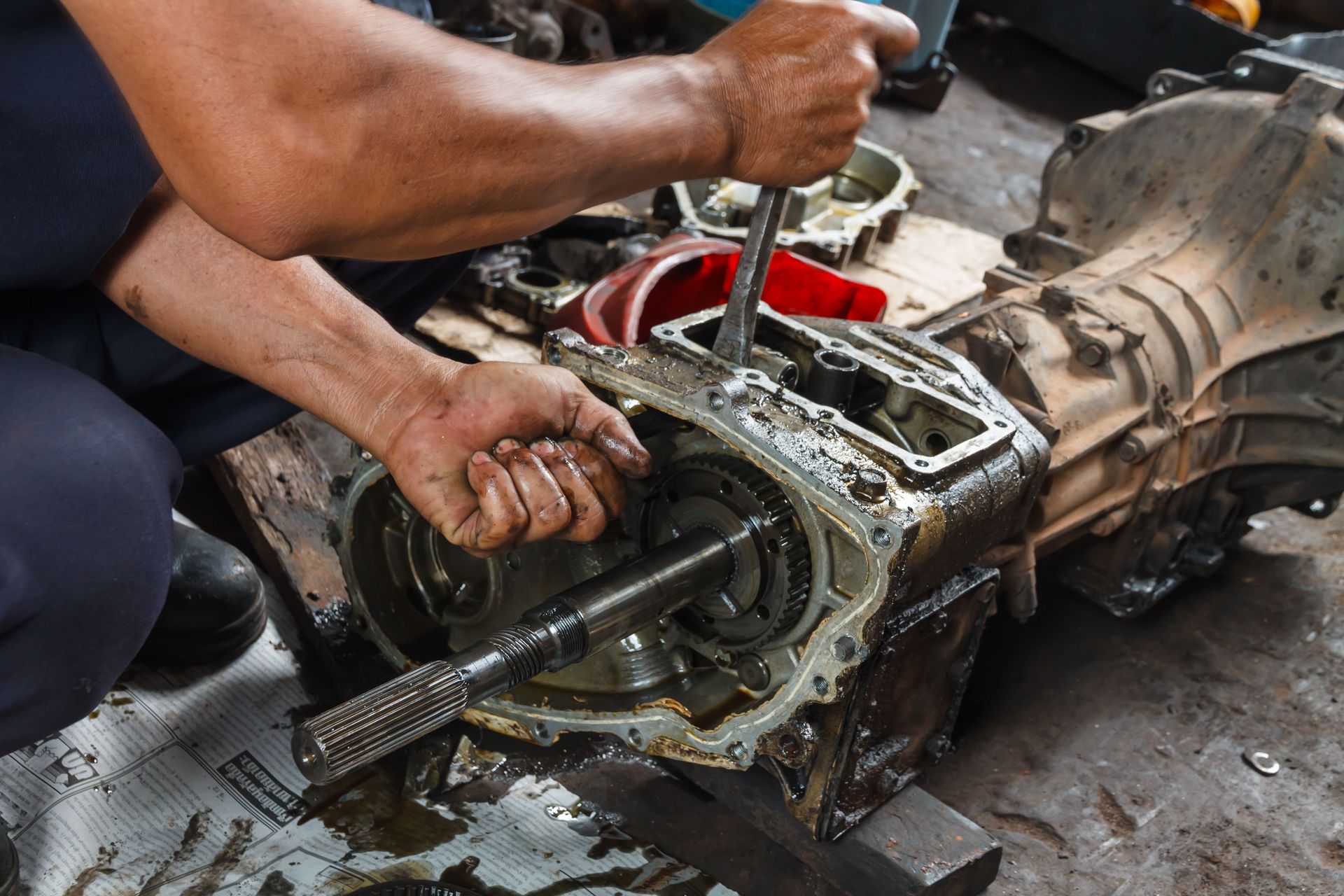
A transmission repair can address minor issues such as fluid leaks, worn-out components, or clutch malfunctions. On the other hand, a complete replacement may be necessary when the transmission is severely damaged or has reached the end of its lifespan. Understanding the role of your transmission helps you recognize early signs of trouble and take action before small problems escalate.
Common Signs You May Need Transmission Repairs
Identifying transmission problems early can save you a lot of time and money. One of the most obvious indicators is delayed or slipping gears. If your car hesitates when shifting or slips out of gear unexpectedly, it reduces acceleration efficiency and can strain other engine components. Ignoring this symptom may lead to total transmission failure, requiring a full replacement.
Unusual noises like grinding, whining, or clunking often signal worn-out gears, low transmission fluid, or internal damage. These problems are usually manageable with prompt transmission repairs, but can worsen quickly if ignored. Fluid leaks are another warning sign; transmission fluid is critical for smooth operation and cooling. Low fluid levels can cause overheating and permanent damage, making early repairs essential.
Modern vehicles are equipped with dashboard warning lights to alert drivers to potential issues. If your Check Engine or transmission-specific light turns on, it's time to schedule an inspection. A burning smell from the car is also a serious red flag, often indicating overheated fluid or internal friction. Timely transmission repairs in these situations can prevent catastrophic failure.
Factors That Influence the Decision Between Repairs and Replacement
Deciding whether to repair or replace a transmission involves considering several key factors. The age and mileage of the vehicle play a major role. Older cars with high mileage often face multiple transmission problems, which can make repeated repairs less cost-effective than a replacement. In contrast, newer vehicles with minor issues are usually better suited for repairs.
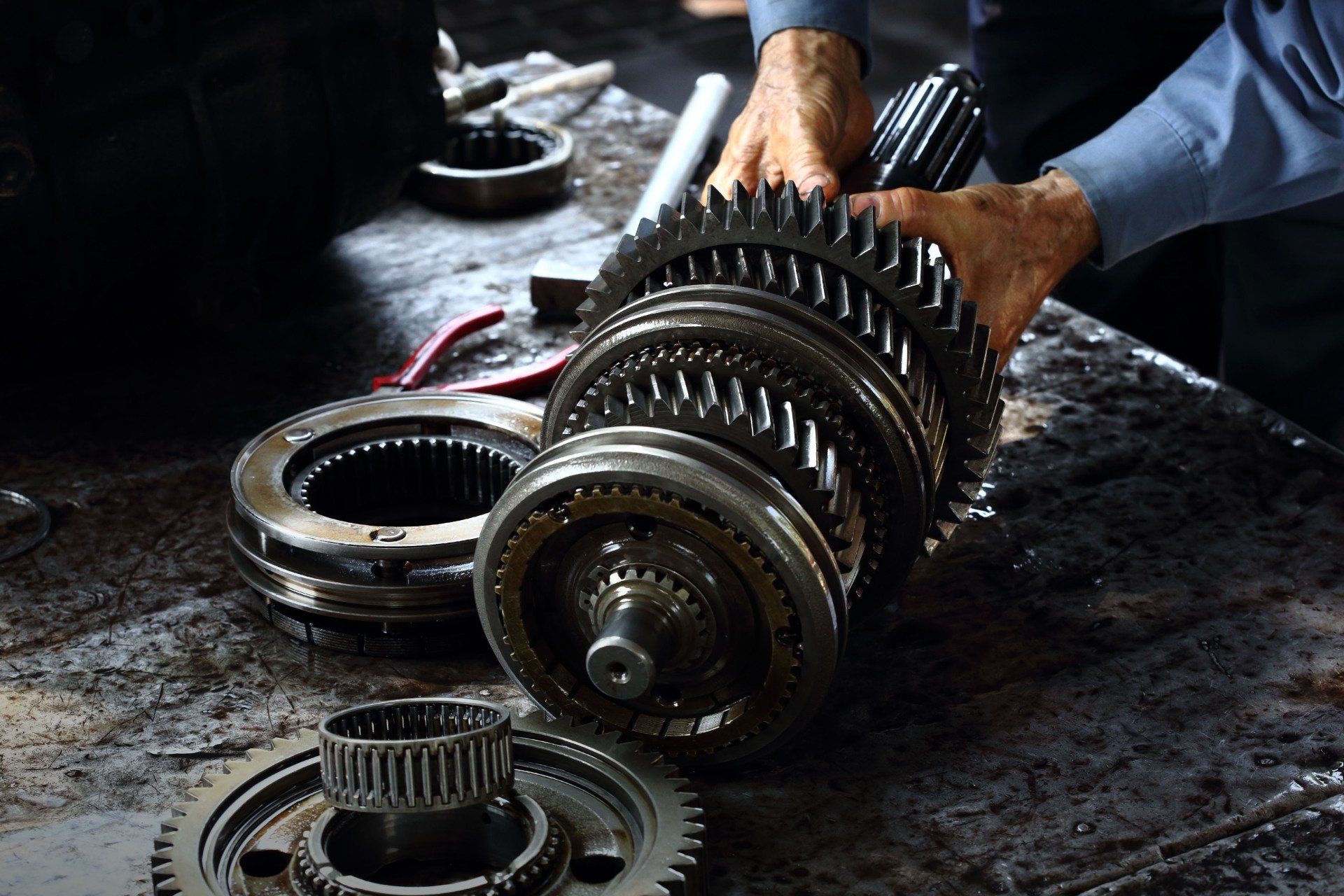
The extent of damage is another consideration. Minor issues, such as worn seals or faulty sensors, can often be resolved with transmission repairs. Severe internal problems affecting gears, clutches, or torque converters may require a full replacement. Cost considerations are equally important, as repair costs vary depending on complexity, and sometimes a replacement provides better long-term value.
Finally, long-term vehicle plans influence the decision. If you intend to keep your car for many years, a full replacement may ensure reliability and peace of mind. Short-term owners might find transmission repairs sufficient to extend usability without major investment. Considering how often you drive and the types of trips you take can also help determine which option offers the best value over time.
Steps to Diagnose Transmission Problems
Accurately diagnosing transmission issues is essential to avoid unnecessary repairs or replacements. Begin by closely monitoring your vehicle's performance, noting any irregularities in shifting, acceleration, or engine behavior. This information allows your mechanic to identify the problem more efficiently and recommend the appropriate solution.
Checking the transmission fluid is also crucial. Low, dirty, or burnt fluid is a common cause of transmission problems. Regular fluid checks and maintenance can prevent minor issues from escalating into costly repairs. Modern vehicles often have onboard diagnostic systems that allow mechanics to read error codes and identify the exact problem, guiding the choice between a transmission repair and a replacement.
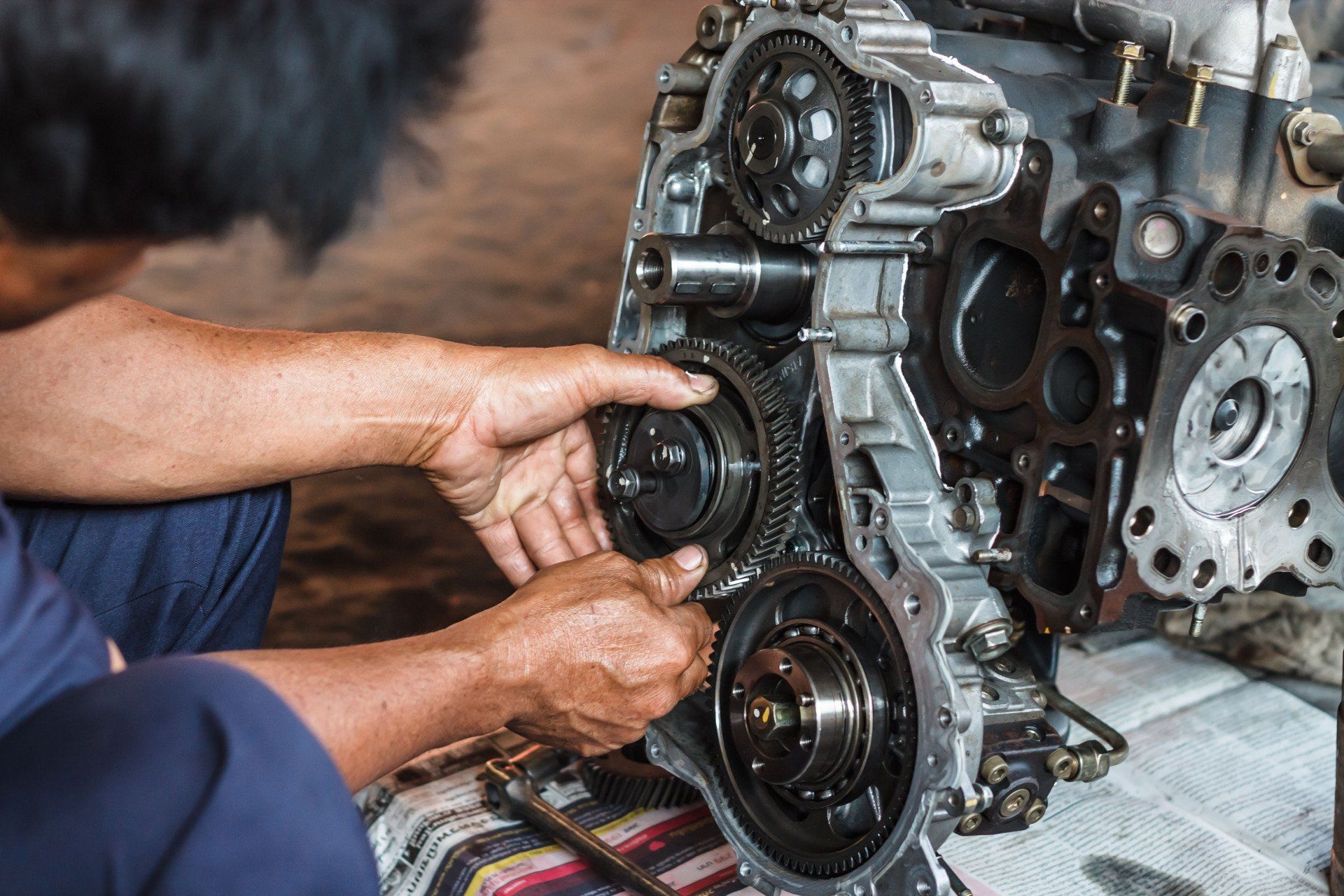
Professional inspections are highly recommended, as transmission systems are complex and DIY attempts can cause more damage. After evaluation, mechanics can recommend repairs like fluid flushes, seal replacements, or clutch adjustments, or they may suggest rebuilding or replacing the transmission if the damage is severe.
Maintenance Tips to Prevent Transmission Issues
Preventive maintenance is key to avoiding expensive transmission repairs or replacements. Regular fluid checks and scheduled changes keep the transmission lubricated and cool, preventing overheating and wear. Avoiding excessive towing, aggressive driving, or long idling periods also helps maintain optimal performance. For vehicles in demanding conditions, a transmission cooler can provide additional protection.
Smooth driving habits reduce stress on transmission components. Aggressive starts, hard braking, and rapid gear changes accelerate wear, while gentle driving prolongs transmission life. Routine inspections by certified mechanics help catch minor issues early, ensuring repairs are timely and effective. Keeping your vehicle's software updated may also enhance transmission performance and prevent malfunctions.
Industry Trends and Market Growth
The need for transmission repairs reflects broader trends in the automotive repair industry. According to Gitnux, the auto repair industry is projected to grow at a compound annual growth rate of 3.0% from 2021 to 2028. This growth is fueled by increasing vehicle complexity, longer lifespans, and rising awareness of preventative maintenance.
As drivers become more attentive to maintenance, demand for skilled transmission services continues to rise. Staying informed and addressing issues promptly can save money, extend the life of the transmission, and ensure reliable vehicle performance. This trend underscores the importance of regular care and professional inspections for all vehicle owners.
When to Consider a Transmission Replacement
While transmission servicing often resolves minor issues, some situations warrant a full replacement. Severe internal damage, recurring problems despite servicing, or high-mileage vehicles with multiple issues may benefit more from replacement. In some cases, the cumulative cost of repeated servicing exceeds the price of a new or rebuilt transmission, making replacement the financially sensible choice.
Although the idea of replacing a transmission may seem daunting, it restores performance and reliability to near-original levels. Certified mechanics can advise on whether a new, rebuilt, or remanufactured unit best suits your needs and budget. In the long run, a replacement can provide peace of mind and prevent ongoing repair headaches.
Deciding between transmission servicing and a replacement can be challenging, but understanding symptoms, maintenance strategies, and cost implications simplifies the process. By recognizing issues early, consulting professionals, and staying proactive, you can prevent minor problems from becoming major failures.
Transmission repairs are an effective way to save money and extend your vehicle's life, while replacements are sometimes necessary for severe or recurring problems. With the auto repair industry projected to grow steadily, timely and reliable transmission care remains a crucial aspect of vehicle ownership. Prioritizing maintenance ensures smooth performance, safer driving, and long-term savings, keeping your car running at its best for years to come. Don't wait until a small issue turns into a costly repair. Contact North Idaho Transmission & Auto Care today to keep your vehicle running smoothly and reliably.
Share On: